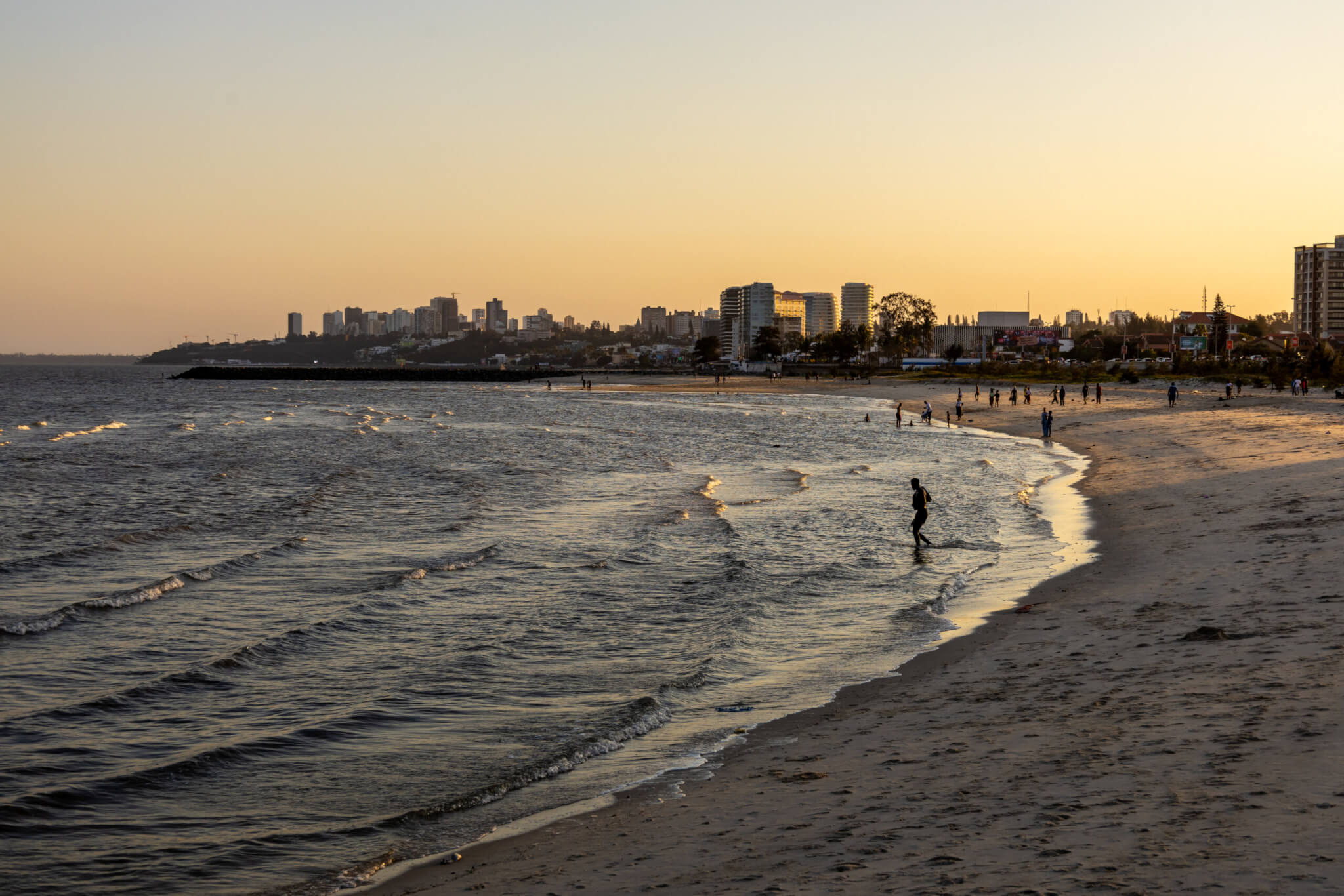
By WINGS, ”la Caixa” Foundation, and Aga Khan Foundation through JUNTOS! Mozambique
Mozambique is not short of generosity. A closer look at existing cultures of giving at the community level shows that people give, support one another and organise in ways that are often overlooked. Yet international development conversations can sometimes mistake limited formal systems for limited philanthropy. Our work in Mozambique challenges that assumption.
Across the country, giving of time, skills, and financial resources is part of everyday life. It shows up in practices like xitique, where communities pool savings and rotate resources among members. It is present in social funds, faith-based support, youth initiatives, women’s groups, and informal networks that people rely on in moments that matter – when someone falls ill, when school fees need to be paid, when a family is dealing with loss or displacement. This is philanthropy. It may not look like a foundation or a formal institution, and it rarely shows up in official data, but it is real, trusted, and deeply rooted.
The new WINGS exploratory mapping of Mozambique’s philanthropy support ecosystem report, developed with the Aga Khan Foundation, “la Caixa” Foundation, and JUNTOS!, with guidance from a wider Steering Committee1 of local and regional Philanthropy Support Organisations, starts from a simple recognition: philanthropy in Mozambique does not need to be invented because it already exists. What is missing are the connections and support systems that allow it to grow. That distinction matters, especially at a time when the world is facing overlapping crises, such as shrinking civic space, climate disruption, wars and conflicts, aid cuts, democratic backsliding, and growing inequality. Some organisations are already seeing support pulled back or redirected. At the same time, expectations on civil society are not slowing down – if anything, they are increasing. The gap between what communities are dealing with and the resources available to respond is becoming harder to ignore.
In this context, domestic philanthropy is not simply a complementary source of development financing. It is part of the critical infrastructure of resilience.
JUNTOS! is a platform of 26 Mozambican civil society organisations including foundations and universities that have come together to strengthen their collective capacity, impact and sustainability and to foster civic and community participation through inclusive and collaborative approaches.
This initiative, promoted by ”la Caixa” Foundation and the Aga Khan Foundation, has been implemented in Mozambique since 2014.
However, generosity alone is not enough.
Our mapping shows a country with strong traditions of solidarity, but a very young and underdeveloped philanthropy support ecosystem. There are no fully operational local organisations identified in the study dedicated exclusively to supporting philanthropy. Instead, support comes from hybrid actors, faith-based systems, community structures, regional networks, international funders, and programmes such as JUNTOS!, which has played an important role in strengthening civil society from within.
These actors are doing important work, but the system around them remains fragmented. Data is limited; coordination is weak; informal giving is largely invisible; domestic giving is not yet well organised or measured; corporate philanthropy is growing, but remains under-structured; and diaspora remittances, while representing significant potential, lack effective vehicles to channel even a small portion into organised social investment.
This is where WINGS’ broader work on philanthropy support ecosystems becomes particularly important
For several years, WINGS has worked with partners around the world to understand what helps philanthropy become more effective, equitable, and resilient. Through the #LiftUpPhilanthropy guidance, WINGS uses the 4Cs framework – Capacity, Capability, Connection, and Credibility – to map and strengthen the systems that support and strengthen giving.
In Mozambique, the mapping shows gaps across all four areas (Capacity, Capability, Connection, and Credibility). But it also reveals important opportunities:
- Capacity can be built by investing in local organisations and community-rooted giving vehicles.
- Capability can grow through shared data, learning platforms, research, and practical support.
- Connection can be strengthened by bringing together formal and informal actors, civil society, funders, government, and the private sector.
- Credibility can be deepened by recognising trusted community practices while building transparency and accountability in formal systems.
What makes the Mozambique case powerful is that it refuses a deficit lens. The problem is not that people are not giving, but that much of this giving remains disconnected from the systems that could help it grow, connect, influence, and sustain impact over time.
This is why ecosystem builders matter.
Ecosystem builders are often invisible, working behind the scenes to convene actors, generate knowledge, build trust, strengthen institutions, and create the conditions for giving to become more effective. But without them, philanthropy remains fragmented, reactive, and less able to meet the scale of today’s challenges.
This year, WINGS launched the WINGS Ecosystem Builder Awards to recognise these often-unseen actors, including connectors, conveners, funders, researchers, and field-builders, who strengthen the systems that make philanthropy possible. The awardees will be celebrated at the WINGSForum 2026 in Montréal, where the global philanthropy community will come together under the theme ACT: Activate, Collaborate, Transcend.
Mozambique’s story belongs in that wider conversation because the future of philanthropy will not only be decided by how much money moves, but also by whether communities have the systems needed to organise resources, build trust, share knowledge, and act together on their own terms.
This mapping is not a final answer; it is a starting point. It invites a different kind of conversation: one that sees local generosity not as informal activity at the margins, but as a foundation for locally led development. One that understands philanthropy not only as funding, but as solidarity, infrastructure, relationship, and long-term care. One that asks not simply, ‘Where is the money?’ but ‘What systems are needed for giving to become more connected, credible, and transformative?’
The task now is to build an ecosystem that can recognise this potential, support it, and help philanthropy in Mozambique grow. This is why, as a next step, WINGS will work with the partners in Mozambique and “la Caixa” Foundation and the Aga Khan Foundation to develop a roadmap and feasibility study, identifying the infrastructure needed to turn emerging opportunities into lasting impact. By investing in the right infrastructure and partnerships today, Mozambique can help unlock a stronger, more connected future for philanthropy and the communities it serves.
- The Steering Committee comprises of La Caixa Foundation, Aga Khan Foundation, CESC – Centro de Aprendizagem e Capacitação da Sociedade Civil, ActionAid Mozambique, SIVIO Institute, Africa Philanthropy Network, Fundação para o Desenvolvimento da Comunidade (FDC), FUNDE (Fundação Universitária para o Desenvolvimento da Educação), Fundação MASC (Mecanismo de Apoio a Sociedade Civil), IPERMO, Centro Português de Fundações.